How Fire Damage Restoration Works, Step by Step
Updated Jun 2026
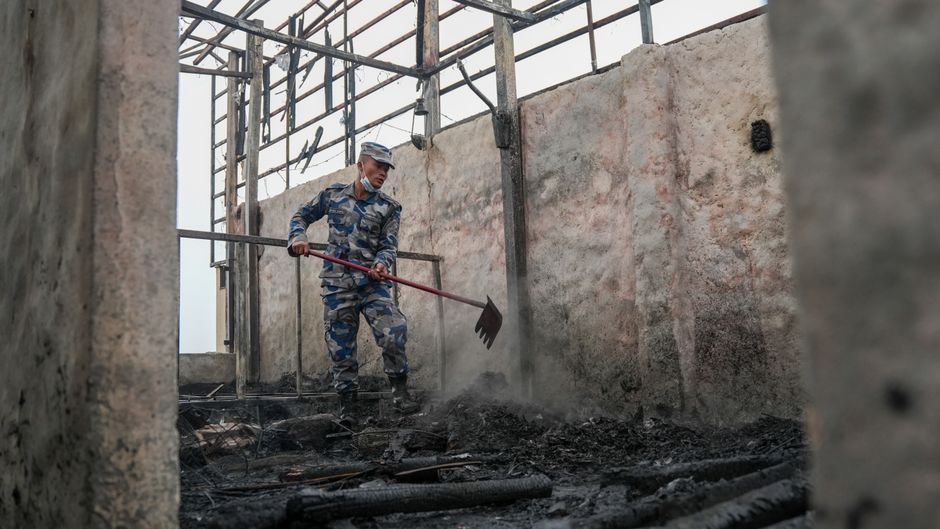
Photo by Bijen Amatya on Pexels (Pexels License)
If you've never dealt with a fire before, the restoration process can feel like a black box. Knowing the typical stages helps you ask the right questions and understand what a professional crew is doing in your home or business. While every fire is different, most fire damage restoration follows a recognizable sequence.
Step 1: Emergency contact and inspection
Restoration usually begins with a call and a fast response. A reputable company offers around-the-clock availability and comes to you to inspect the property. During this assessment, technicians evaluate the extent of fire, smoke, soot, and water damage, then outline a plan and scope of work. This is also when documentation for your insurance claim begins.
Step 2: Board-up and stabilization
Fires often leave broken windows, holes in the roof, and compromised entry points. To prevent weather, animals, or intruders from causing more damage, crews board up openings and tarp the roof. Stabilizing the structure protects what remains and keeps the property secure while the rest of the work proceeds.
Step 3: Water removal and drying
The water used to extinguish a fire can cause as much harm as the flames if it isn't addressed. Technicians extract standing water and then dry the structure using air movers and dehumidifiers. Thorough drying is essential to prevent mold, especially in humid climates where moisture lingers in walls and floors.
Step 4: Soot and smoke cleanup
Soot is acidic and can permanently stain and corrode surfaces, while smoke odor penetrates porous materials. Crews clean soot from walls, ceilings, fixtures, and contents using specialized techniques suited to the type of residue. They also clean the HVAC system so residues aren't recirculated once the building is back in use.
Step 5: Odor removal
Smoke odor is stubborn and can't be solved by air fresheners. Professionals use specialized equipment and treatments to neutralize odor at its source rather than mask it. Severely affected materials that can't be deodorized are removed. This stage is what makes a restored space feel truly clean rather than just clean-looking.
Step 6: Contents cleaning and restoration
Many belongings can be saved. Restoration companies often clean and deodorize furniture, clothing, electronics, and keepsakes, sometimes taking items to an off-site facility with specialized equipment. They inventory what can be restored versus what is a loss, which also supports your insurance claim.
Step 7: Repairs and reconstruction
The final stage rebuilds what the fire damaged — from minor repairs like replacing drywall and repainting to major reconstruction of rooms or whole sections of a building. A full-service company handles this in-house, so you don't have to coordinate separate contractors after the cleanup is done.
Working with your insurance throughout
Good restoration companies document the damage and the work at each step and communicate with your insurance adjuster. They can't decide your claim, but clear records and detailed scopes make the process smoother. Ask any provider how they handle insurance coordination before you hire.
What to expect overall
The timeline and cost depend on the size and severity of the damage, so a provider gives you a realistic plan after assessing your property rather than a one-size-fits-all promise. Understanding these steps puts you in a stronger position to choose a company and stay informed as your home or business is restored.